
Marcelle Wagner – Neuropsychologist
I am a neuropsychologist and PhD candidate with a vested interest in paediatric neuropsychology, particularly in antenatal psychology, Autism, and neurodiversity. I’m experienced in various neuropsychological and neurodevelopmental conditions, as well as a wide range of assessment and diagnostic tools, advanced research skills, and psychoanalytic and play therapy.
I have been a HPCSA-registered neuropsychologist and in private practice since 2022, practicing bi-lingually in English and Afrikaans. I have experience with clients of all ages, from 2 years old to geriatric clients.
I am completing my PhD in Pediatrics at Stellenbosch University and completed my Master’s degree in Neuropsychology at the University of Cape Town. I am also clinically trained and certified in the Autism Diagnostic Observation Schedule (ADOS-2), the international gold standard tool for autism diagnosis.
Qualifications
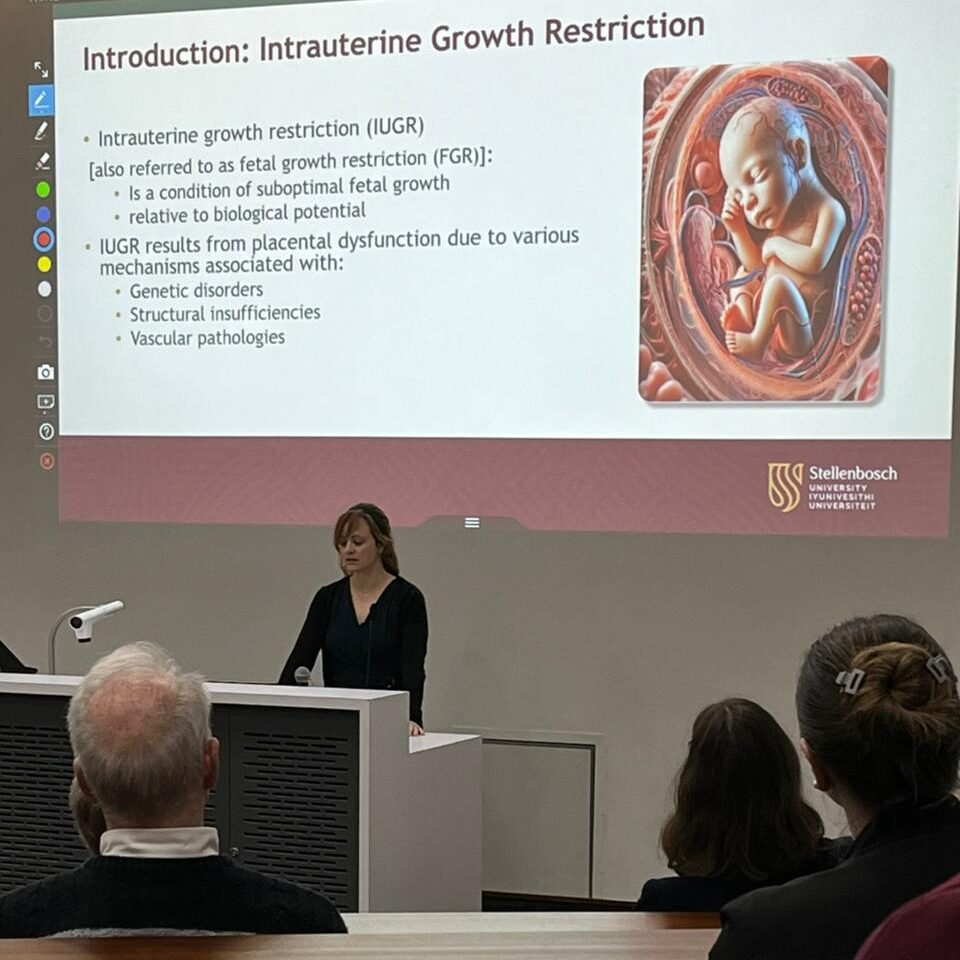
PhD in Pediatrics (*Candidate)
2023 – *2026
University of Stellenbosch

Master’s Degree in Neuropsychology
2017 – 2021
University of Cape Town

Postgraduate Certificate in Education (Int. & Snr.)
2017 – 2019
University of South Africa
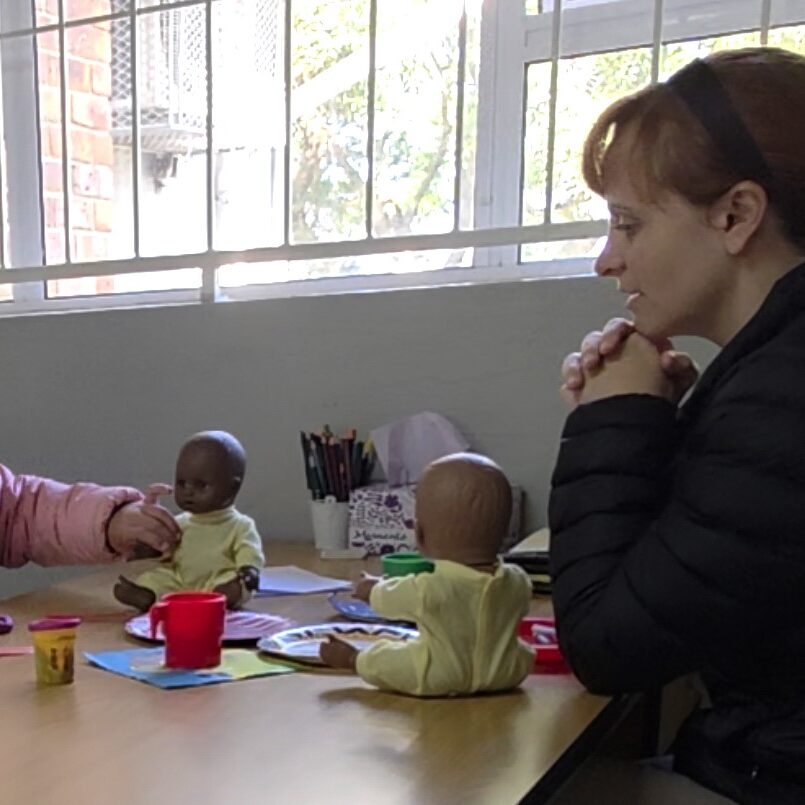
ADOS 2 trained with research experience
2024 – 2025
University of Cape Town
Services
Assessments & Diagnostics

I offer a wide variety of assessments to aid with the diagnosis or post-diagnostic management of multiple neurological and neurodevelopmental disorders, such as:
- Autism & neurodiversity
- ADHD & anxiety
- Traumatic brain injuries, strokes, & seizures
- Dementias & degenerative disorders
- Learning difficulties & exam concessions
Therapy & Interventions

I offer several methods of post-diagnostic management designed to understand the nature and challenges of the condition, as well as how to move forward, including:
- Psycho-education
- Psychotherapy
- Play therapy
- Neuro-rehabilitation
Guest lecturer & Consultant

I offer presentations, talks, or consultations on the following topics:
- Autism & neurodiversity
- Neurodevelopment
- Antinatal mental health
- Neurodiversity research
- Neuropsychology
The process

Step 1 – Contact
Please contact me to make an appointment

Step 2 – Intake
The first appointment involves detailed history taking to ensure a full understanding and determination of needs.
My completed consent form is required. Sent once appointment is confirmed.
Session to be paid on the day.

Step 3 – Assessment
Assessment sessions are 2 hours each, typically requiring 2 sessions (4 hours) to complete a full assessment.
A 50% deposite is required to secure the assessment.

Step 4 – Feedback
A detailed feedback session provides:
– assessment findings
– likely link to symptom history
– an explanation of the condition aetiology
– typical course and challenges experienced with the condition
– possible management and intervention plans.
A detailed report is also provided
Full bill to be settled.

Step 5 – *Intervention
*Optional: Once you have an understanding of the condition and options on how to proceed, you can pursue further management and intervention with me or another professional whom I can refer you to.
Frequently Asked Questions
What is Neuropsychology?
Neuropsychology is a specialised field of psychology that focuses on understanding brain disorders and how they impact a person’s thinking and behaviour. Neuropsychologists assess and treat individuals with brain-related conditions by first conducting assessments to diagnose and understand the condition, and then by helping the patients and their families understand and manage the impact of these conditions.
These include neurodevelopmental conditions such as Autism and ADHD, conditions which can occur at any age, such as seizure disorders, traumatic brain injuries or strokes, and neurodegenerative conditions such as Alzheimer’s disease or Vascular dementia. Neuropsychologists, therefore, see patients of all ages, and often work in multidisciplinary settings from schools to hospitals.
How are you different from other psychologists?
A neuropsychologist specializes in the relationship between brain function and behaviour, using intensive testing to diagnose brain-based conditions, as well as the emotional and psychological fallouts. Unlike clinical psychologists who focus on mental health and therapy, or educational psychologists who focus on learning or academic difficulties, neuropsychologists focus on the cognitive, emotional, and behavioural effects of neurological disorders.
A neuropsychologist investigates how changes in the brain can influence behaviour, whether the causes are due to injury, disease, or chemical changes related to development or neurodiversity. Neuropsychologists can overlap somewhat with clinical or educational psychologist, as there are typically emotional, cognitive and behavioural fallout from brain changes which require in-depth understanding and management or intervention efforts.
What is the value of an assessment?
A neuropsychological evaluation provides a comprehensive analysis of how an individual’s brain function affects their behaviour, emotions, and cognitive abilities. It identifies cognitive strengths and weaknesses, such as challenges with memory, attention, or language, to aid in differential diagnosis, treatment planning, and recommendations for daily functioning. There are several benefits of a detailed assessment:
- Comprehensive cognitive profiling and differential diagnosis, which evaluates specific functions like intelligence, executive functioning, attention, memory, processing speed, language, and visuospatial abilities. This helps distinguish between various neurological and neurodevelopmental disorders.
- To determine the impact on daily life and quality of living by assessing how changes in brain function influence everyday activities, such as driving, managing finances, or returning to work or school.
- It informs treatment and rehabilitation planning by providing evidence-based recommendations for personalized interventions, therapy, or academic accommodations.
- Finally, to establish a baseline for cognitive function to track improvements or declines over time due to illnesses or treatments.
What is the report used for?
A comprehensive neuropsychological report holds significant value as it summarizes test performance, diagnostic conclusions, and specific recommendations. This detailed report offers critical, objective, and actionable data that links a patient’s cognitive, emotional, and behavioural strengths and weaknesses to brain function.
It translates complex assessment data into practical, customized, and evidence-based recommendations, serving as a roadmap for treatment, rehabilitation, and support. Additionally, it can be an invaluable tool when navigating complex changes and processes, such as school concessions, medical aids, specialist doctors, or therapy and neurorehabilitation.
Contact
Whatsapp business
+27 78 152 7998
wagner.neuropsych@gmail.com
Areas
Somerset West
Strand & Gordon’s Bay
Stellenbosch
Professional registrations
HPCSA: PS 015 2684
BHF/PCNS: 1061917